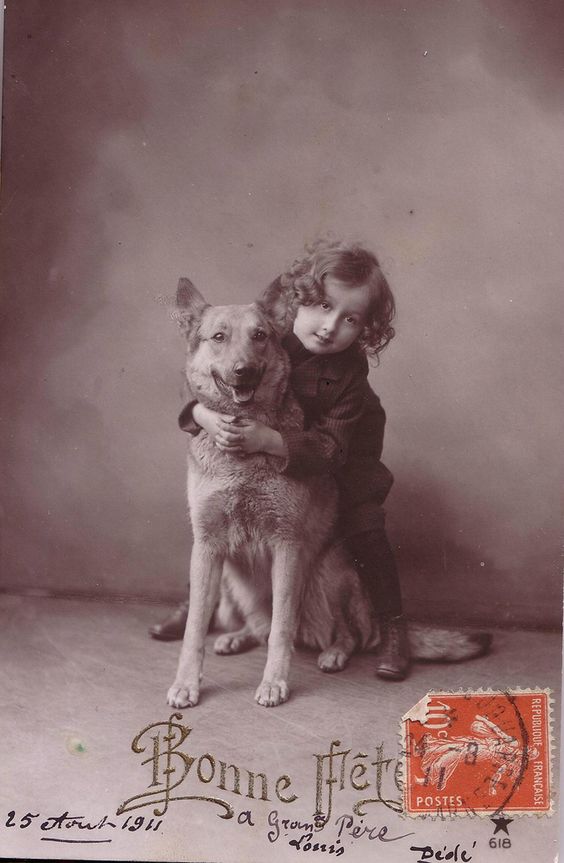
L’appassionato pastore al suo amore.

Vieni a vivere con me e sii il mio amore;
e gusteremo tutti i piaceri
che colline e valli, vallette e campi,
boschi o ripide montagne possono concedere.

E siederemo sulle rocce,
guardando i pastori che pascolano le greggi
vicino a fiumi poco profondi alle cui cascate
uccelli melodiosi cantano madrigali.

E ti preparerò letti di rose
e mille mazzolini fragranti,
una corona di fiori e una tunica
tutta ricamata a foglie di mirto;

un abito fatto con la lana più fine
presa da begli agnellini:
graziose pantofole imbottite per il freddo,
con fibbie dell’oro più puro;

una cintura di paglia e gemme di edera,
con fermagli in corallo e borchie d’ambra:
e, se questi piaceri ti possono emozionare,
vieni a vivere con me e sii il mio amore.

I giovani pastori danzeranno e canteranno
per deliziarti ogni mattina di maggio:
se queste delizie ti possono emozionare l’animo,
allora vivi con me e sii il mio amore
(L.Z.)
Info by Luisa zambrotta
Christopher Marlowe, also known as Kit Marlowe, (1564 – 30 May 1593) was an English dramatist, poet and translator of the Elizabethan era.
He was the foremost Elizabethan tragedian of his day and greatly influenced William Shakespeare, who was born in the same year and became the pre-eminent Elizabethan playwright after Marlowe’s mysterious early death.
Marlowe’s plays are known for their overreaching protagonists and the use of blank verse, which previously had not been the accepted verse form for drama, he was able to free drama from its stiff traditions and prove that blank verse was an effective and expressive tool for capturing the rhythm and musicality of the English language. Shakespeare and other Elizabethan dramatists followed his example, his versatile and flexible verse, called by Ben Johnson “Marlowe’s Mighty Line”, was to become the outstanding verse of British drama and poetry.
His fame as a playwright has somewhat obscured his skill as a poet.
One of his poems is “The Passionate Shepherd to His Love”, also known for its first line “Come live with me and be my love”, published in 1599, six years after his violent death, is a masterpiece in its kind and soon became so famous that several other poets replied to it.


 MasticadoresItalia
Scrivi una risposta a luisa zambrotta Cancella risposta