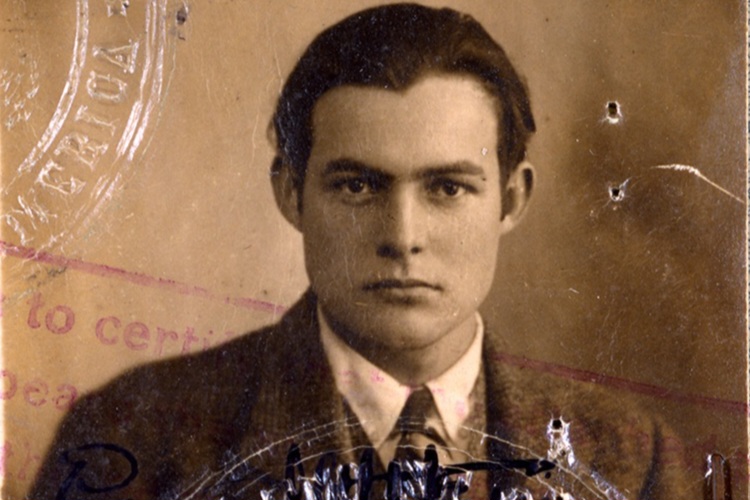
Nato il 21 luglio 1899, Ernest Hemingway era troppo giovane per arruolarsi nell’esercito allo scoppio della Prima Guerra Mondiale senza il permesso della famiglia, quindi prese una strada alternativa: si offrì volontario in Italia come autista di ambulanze per la Croce Rossa americana, anche perché temeva di essere respinto dall’esercito a causa della sua miopia.
Il suo primo incarico fu quello di raccogliere i morti, alcuni dei quali erano senza testa e senza gambe, dopo che un’esplosione in una fabbrica di munizioni aveva ucciso molte persone.
Nel giugno del 1918, mentre gestiva una mensa mobile che distribuiva sigarette e cioccolata alle truppe, fu ferito da un mortaio austriaco esploso a meno di un metro di distanza.
In seguito si occupò della guerra civile spagnola come giornalista e durante la seconda guerra mondiale navigò al largo delle coste di Cuba alla ricerca degli U-Boot nazisti, quindi venne in Europa per prestare servizio come corrispondente di guerra e soldato non convenzionale, avvicinandosi sempre di più al combattimento e al pericolo, anche se ciò significava infrangere le regole stabilite per i non combattenti nella Convenzione di Ginevra.
Due citazioni
Una guerra aggressiva è il grande crimine contro tutto ciò che vi è di buono nel mondo. Una guerra difensiva, che deve necessariamente trasformarsi al più presto in aggressiva, è il grande contro-crimine necessario. Ma non pensare mai che la guerra, non importa quanto necessaria o giustificata, non sia un crimine. Chiedetelo alla fanteria e chiedetelo ai morti.
Scrissero un tempo che è dolce e meritevole morire per la patria. Ma in una guerra moderna, non c’è niente di dolce né di meritevole nella tua morte. Morirai come un cane e senza una ragione.
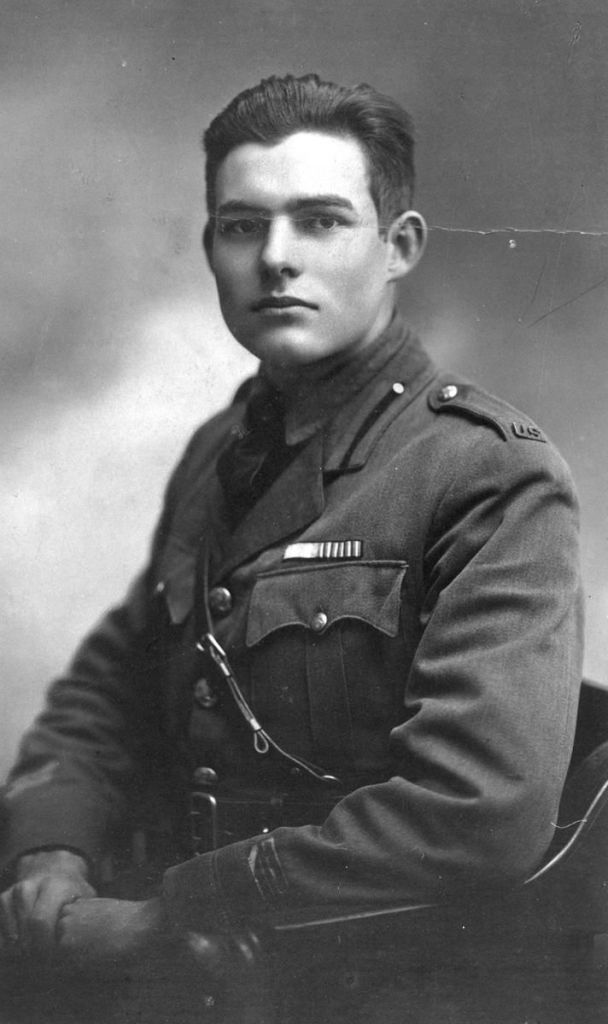
Born on 21 July 1899, Ernest Hemingway was too young to sign up for the First World War service without his family’s permission, so he took an alternate route: he volunteered to serve in Italy as an ambulance driver with the American Red Cross, also because he feared he would be rejected by the Army because of his near-sightedness.
His first assignment was to collect the dead, some of whom were headless and legless after an explosion at an ammunition factory killed a lot of people.
In June 1918, while running a mobile canteen that distributed cigarettes and chocolate to the troops, he was wounded by an Austrian mortar that exploded just three feet away.
He later covered the Spanish Civil War as a journalist and during the Second World War, he sailed off the coast of Cuba on the hunt for Nazi U-boats, then he went to Europe to serve as a war correspondent and unconventional soldier, getting closer and closer to combat and danger, even if that meant breaking the rules established for non-combatants in the Geneva Convention.
Two quotes
An aggressive war is the great crime against everything good in the world. A defensive war, which must necessarily turn to aggressive at the earliest moment, is the necessary great counter-crime. But never think that war, no matter how necessary, nor how justified, is not a crime. Ask the infantry and ask the dead.
They wrote in the old days that it is sweet and fitting to die for one’s country. But in modern war, there is nothing sweet nor fitting in your dying. You will die like a dog for no good reason.
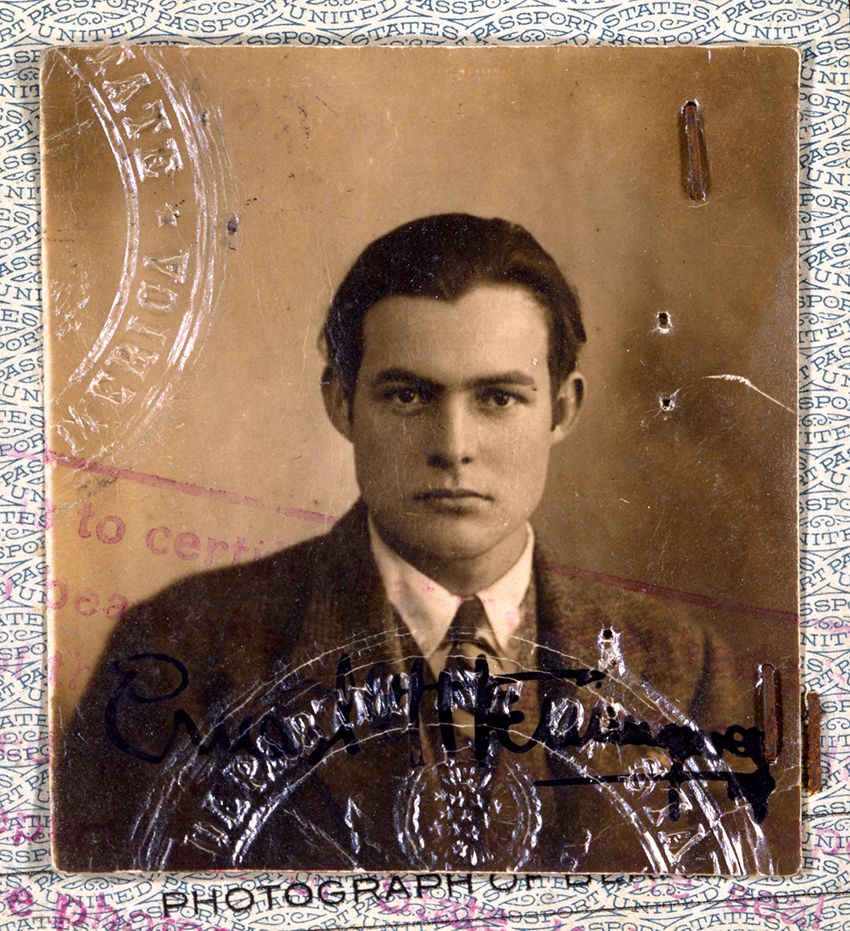
[ SiteLink : Words and Music and Stories ]






 MasticadoresItalia
Scrivi una risposta a kagould17 Cancella risposta